
Helping your pet stay at a healthy weight is one of the most meaningful things you can do for long-term health. Extra weight can put added strain on joints, affect mobility, and make some medical conditions harder to manage. The challenge is that weight gain often happens gradually, especially when treats, table food, and generous portions become part of the daily routine.
The good news is that healthy weight management does not have to be extreme. Small, consistent changes in feeding habits, activity, and monitoring can make a real difference over time. For both dogs and cats, the best plan is one that is realistic, balanced, and tailored to the individual pet.
Schedule Routine Veterinary Checkups for Weight Monitoring
Regular veterinary visits are an important part of keeping your pet at a healthy weight. During these appointments, your veterinarian can track body weight, assess body condition score, and look for changes that may not be obvious at home. This matters because some pets are overweight even when owners do not realize it, while others may have an underlying medical issue that contributes to weight gain or makes weight loss more complicated.
Checkups are also the right time to review your pet’s diet in detail. Your veterinarian can help determine whether the current food is appropriate, how much to feed, and whether treats or table scraps are contributing more calories than expected. Instead of relying only on the feeding range printed on a bag or can, it is safer to use your pet’s actual body condition and progress to guide adjustments.
Practice Portion Control Instead of Guessing
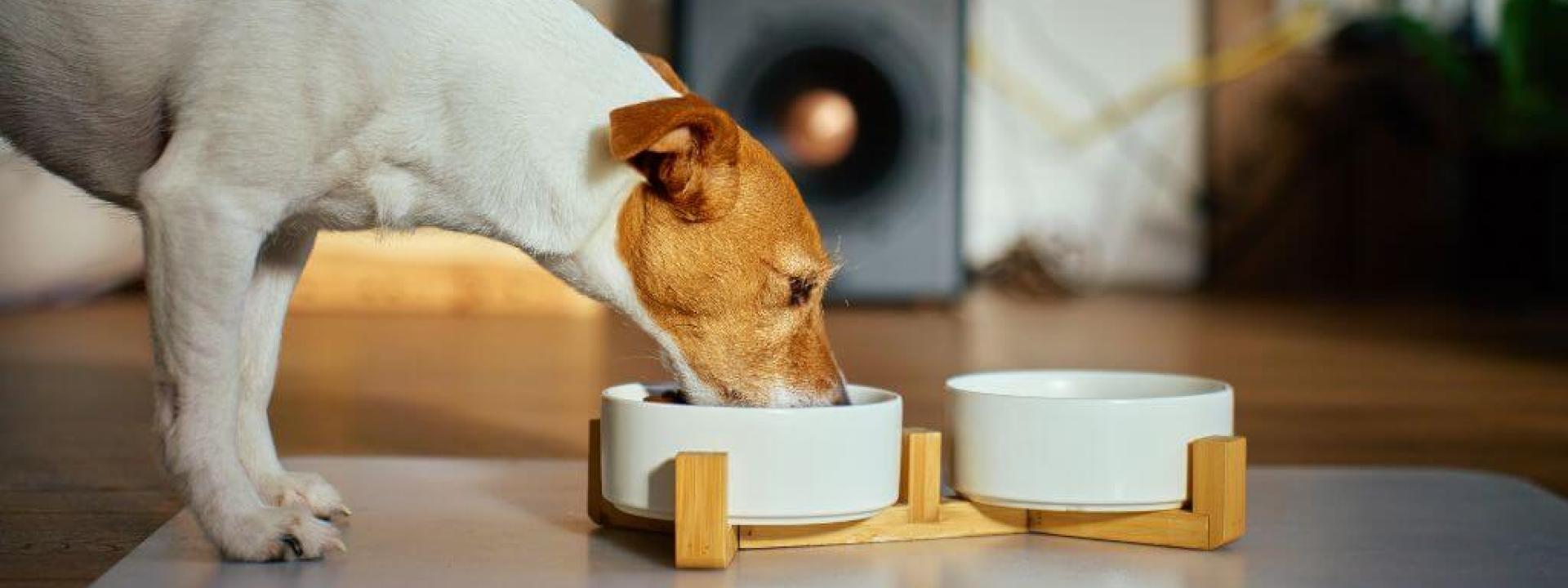
One of the most common reasons pets gain extra weight is simple overfeeding. Even loving, attentive owners can underestimate how quickly calories add up when portions are eyeballed, multiple people feed the pet, or food is always available for grazing. Measuring meals carefully and keeping feeding times consistent can help prevent accidental overfeeding. Cornell notes that free-choice feeding, excessive treats, and table scraps are common contributors to obesity in dogs.
Portion control works best when everyone in the household follows the same plan. If one person is measuring breakfast but someone else is adding extra snacks later in the day, it becomes much harder to make progress. A written feeding plan on the fridge, a measuring cup kept with the food, or pre-portioned meals can make healthy routines easier to maintain.
Why the Label Is Only a Starting Point
Pet food labels provide general feeding guidance, but they do not perfectly match every pet’s needs. Age, neuter status, activity level, indoor lifestyle, and medical history all affect calorie requirements. AAHA guidance emphasizes that caloric intake often needs to be adjusted based on body weight and body condition score, especially for sedentary or indoor pets.
If your pet is gaining weight despite following the label, that does not necessarily mean you are doing something wrong. It may simply mean the plan needs to be individualized.
Use Treats Thoughtfully and Keep Them Limited
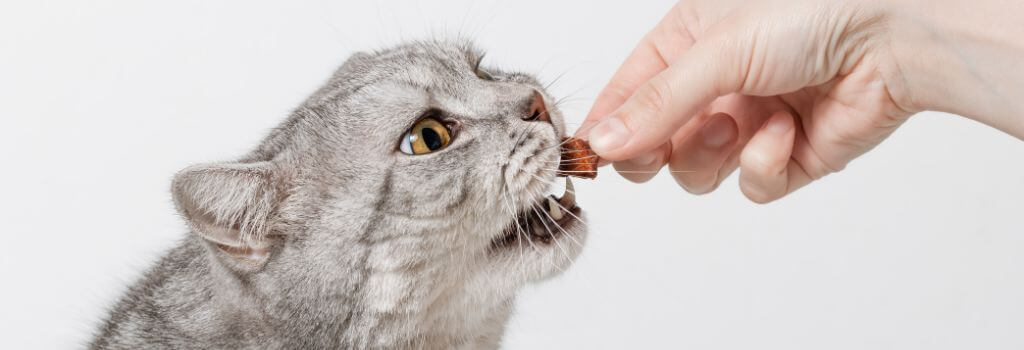
Treats can absolutely be part of a healthy routine, but they need to be counted as part of the daily calorie total. This is where many pets run into trouble. Small treats given several times a day, training rewards, chews, and bites of human food can add up quickly, especially in smaller pets.
Current WSAVA guidance advises that treats should make up less than 10% of a pet’s daily calorie intake. Keeping treats below that level helps reduce the chance that they will unbalance the diet or contribute to unintended weight gain.
- Measure meals before offering treats so total intake stays more predictable
- Choose lower-calorie treats when possible
- Break treats into smaller pieces for training sessions
- Avoid frequent table scraps, especially high-fat foods
- Make sure all family members know the daily treat limit
Encourage Safe, Consistent Exercise
Exercise helps support calorie balance, muscle tone, mobility, and mental enrichment. The right type of activity depends on your pet’s species, age, breed, health status, and starting fitness level. Many dogs benefit from regular walks, play sessions, scent games, and interactive toys. Cats often do better with short bursts of activity using wand toys, food puzzles, climbing areas, and environmental enrichment that encourages movement.
The key is consistency. A little activity every day is usually more helpful than occasional intense exercise. For pets that are overweight, it is best to build up gradually. Jumping too quickly into long walks or strenuous play may be uncomfortable, especially for older pets or those with arthritis, heart disease, or breathing issues.
Exercise Should Match the Pet
Not every weight-management plan looks the same. A young, healthy dog may be ready for longer walks and active games, while a senior dog may need shorter, gentler outings. An indoor cat may need several short play sessions rather than one long one. Your veterinarian can help you choose activities that are appropriate and safe for your pet’s condition and ability level.
Exercise also helps in ways owners do not always expect. Pets that are mentally engaged and physically active may be less likely to beg out of boredom, which can make it easier to stick with a feeding plan.
Track Progress and Avoid Crash Diets
Healthy weight management should be gradual and monitored. Sudden or severe calorie restriction is not the goal, and in cats, especially, rapid weight loss can be dangerous. Tracking weight trends, body condition, appetite, and treat intake gives you a clearer picture of whether the plan is working safely.
A food diary can be very helpful. It allows you to record meals, treats, chews, and table foods so nothing is overlooked. This often reveals patterns that were easy to miss, such as extra snacks from multiple family members or larger weekend portions. Monitoring progress also makes it easier for your veterinarian to adjust the plan when needed rather than relying on guesswork.
Why Cats Need Special Caution
Cats should never be placed on an aggressive weight-loss plan without veterinary guidance. Feline weight reduction needs to be controlled and deliberate. Guidance from feline veterinary resources supports gradual loss rather than rapid restriction.
If your cat seems uninterested in food, is losing weight too quickly, or is acting differently during a diet change, contact your veterinarian promptly.
Healthy Weight Is About Long-Term Habits
Keeping your pet at a healthy weight is not about perfection. It is about building habits that support good nutrition, regular activity, and steady monitoring over time. Measured portions, mindful treats, and routine checkups are often more effective than dramatic changes that are hard to maintain.
If your pet is already overweight, do not be discouraged. Many pets can make meaningful progress with a thoughtful, individualized plan. The most successful approach is usually a partnership between your family and your veterinary team, with goals that are safe, realistic, and tailored to your pet’s needs.
If you have questions, we would love to answer them for you. Please give us a call at the office at (570) 421-7738, or you can email us at [email protected]. Our staff would love to talk with you!
Don't forget to follow us on social media Facebook, Instagram.